
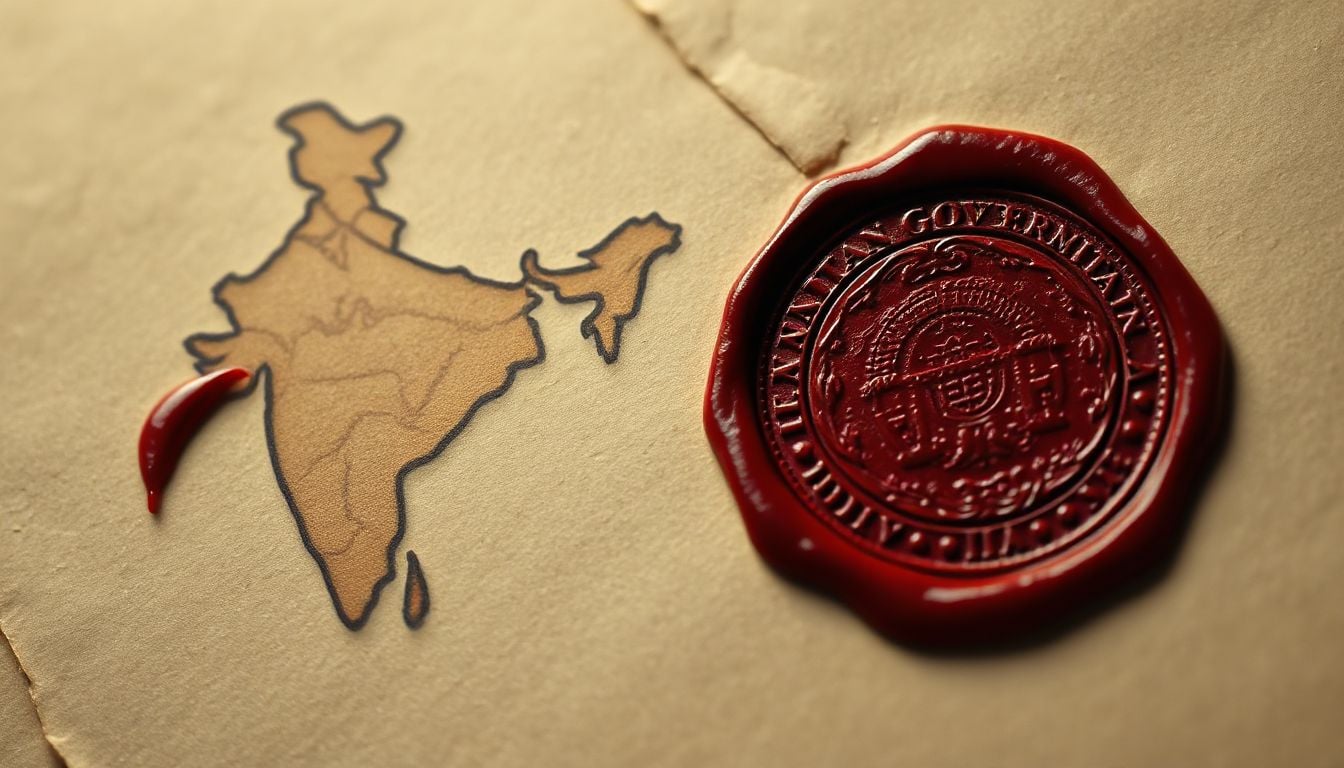
MEA Attestation: The Complete Guide to Ministry of External Affairs Certification
Imagine packing your bags for a dream job in Dubai or applying to a university in Canada. Excitement builds, but then you hit a wall: your documents need official stamps to prove they’re real. That’s where MEA attestation steps in. It’s the key step from India’s Ministry of External Affairs to make your papers valid abroad. Without it, your plans could stall. This guide breaks it down simply, so you can handle the process with confidence. Whether you’re chasing a work visa, enrolling in school overseas, or starting a family abroad, you’ll learn exactly what to do next.
Understanding MEA Attestation: Purpose and Scope
MEA attestation verifies that your Indian documents are genuine for use in foreign countries. The Ministry of External Affairs, or MEA, is India’s top office for foreign relations. It adds a final layer of trust to your papers after local checks. This process helps avoid fakes and smooths your path to global moves.
What is MEA Attestation?
MEA attestation is an official stamp or seal from the Ministry of External Affairs. It confirms that earlier authentications on your document are legit. Think of it as the government’s nod that says, “This is real, and we’ve checked the basics.” Unlike apostille, which many countries accept under the Hague Convention, MEA attestation applies to places like Gulf nations that skip that treaty. For example, if you’re heading to the UAE, this stamp is your ticket. It doesn’t translate or notarize; it just validates the chain of approvals.
When is MEA Attestation Required?
You need MEA attestation for jobs abroad, especially in GCC countries like Saudi Arabia or Qatar. It proves your skills and qualifications to employers there. For education, universities in the US or UK often demand it to enroll you. Family matters count too—residency visas for spouses or kids require attested marriage or birth certificates. Businesses expanding overseas use it for contracts to build trust with partners. In short, any official document crossing borders might need this boost.
Which Documents Require MEA Attestation?
Educational papers top the list, like degrees, diplomas, and mark sheets from Indian schools. These show your learning history for foreign admissions or jobs. Personal docs include birth certificates for visa proofs and marriage certificates for spousal relocations. Divorce decrees help in custody cases abroad. Commercial items cover power of attorney forms, invoices, and agreements for trade deals. Not every paper needs it, but check your target country’s rules to be sure.
The Prerequisites: Prior Level Attestations
MEA attestation rarely stands alone. It builds on earlier verifications from local or state bodies. Skipping these steps leads to rejection, so plan ahead. Each document type has its own path, but the goal is the same: create a solid trail of authenticity.
Attestation for Educational Documents
Start with your state education department or university for the first stamp. For a degree from Delhi University, get the original verified there. Then, head to the state home department for their seal. Only after that does the MEA’s General Register section step in. This chain ensures boards like CBSE or universities confirm the facts. If your school is old, you might need extra affidavits to back it up.
Attestation for Personal and Non-Educational Documents
Personal papers often begin at the local level. Birth certificates from municipal offices get a notary first, then district collector approval. Marriage records from registrars follow suit with state authentication. Death certificates or affidavits need similar checks. Without these, MEA won’t touch them. It’s like building a house—you need the foundation before the roof.
Attestation for Commercial Documents
Business docs demand chamber of commerce verification upfront. For an export invoice, get it signed by the local chamber to prove legitimacy. State industries department adds their layer next. This prevents fraud in deals worth thousands. Many owners trip here, so double-check formats early. MEA comes last, sealing the whole package.
The Step-by-Step MEA Attestation Process
The process has gone digital, making it easier but still detailed. You can do it yourself or use trusted agents. Follow these steps to avoid headaches. Speed matters, so gather everything upfront.
Online Application and Submission via Authorized Agencies (e.g., VFS Global/TFS)
Sign up on the official MEA site or through partners like VFS Global. Fill out the form with your details and upload scans. Pay fees online—government charges start around 50 rupees per doc, plus service costs. Book a slot for drop-off at a center. Tip: Scan clearly and keep passport details handy. This online shift cut wait times by half in recent years.
Document Verification and Physical Submission
Bring originals, copies, and your passport to the center. Agents check for mismatches right away. If your degree has faded ink, they might ask for a duplicate. Self-attest copies where needed. For bulk submissions, like a family set, organize in folders. Real tip: Arrive early to beat queues.
Processing Timeframes and Tracking
Standard waits run 3-5 days in big cities, longer elsewhere. Expedited service costs extra but shaves off a day or two. Track via the portal with your reference number—updates come by email too. Delays happen from holidays or backlogs, so apply months before deadlines. One user shared how tracking saved their visa interview.
Crucial Considerations and Common Pitfalls
Bureaucracy trips up many, but you can dodge most issues. Pay attention to details from day one. These tips come from real experiences shared online.
Name Discrepancies and Document Matching
Names must match exactly across your passport, certificate, and forms. A middle initial off? Get an affidavit to fix it. Clerical slips on old birth records need gazette notifications. Ignore this, and MEA rejects the lot. Always cross-check before submitting.
Validity Period of Attestation
The MEA seal lasts forever on the document itself. But embassies might cap it at six months for visas. For a work permit in Oman, fresh attestation helps. Check the end country’s rules—some refresh every year. Plan renewals if your move drags.
Correct Fee Structure and Avoiding Fraudulent Agents
Official fees are low: 50 INR per page, plus 500 for urgent. Agents add 1,000-2,000 for handling. Stick to VFS or TFS to avoid scams—fake agents pocket cash and vanish. Verify licenses on government sites. One stat shows over 20% of applicants face fraud yearly, so stay alert.
Conclusion: Finalizing Your International Documentation Journey
MEA attestation ties together the loose ends of your global plans. It starts with local verifications and ends with that crucial MEA seal, opening doors to jobs, schools, and new lives. Miss a step, and delays pile up; get it right, and you’re set. Key takeaways: Verify prior attestations fully, ensure names align perfectly, and use only authorized channels. Double-check your target country’s needs too. Ready to start? Gather your docs today and take that first step toward your future abroad.
This journey isn’t just paperwork—it’s your bridge to opportunity. With this guide, you’ve got the map. Go claim those international dreams. (Word count: 1,248)